Fowler's Toad
Anaxyrus fowleri
 FrogBufonidaelargeCommon
Quick ID
Field Notes
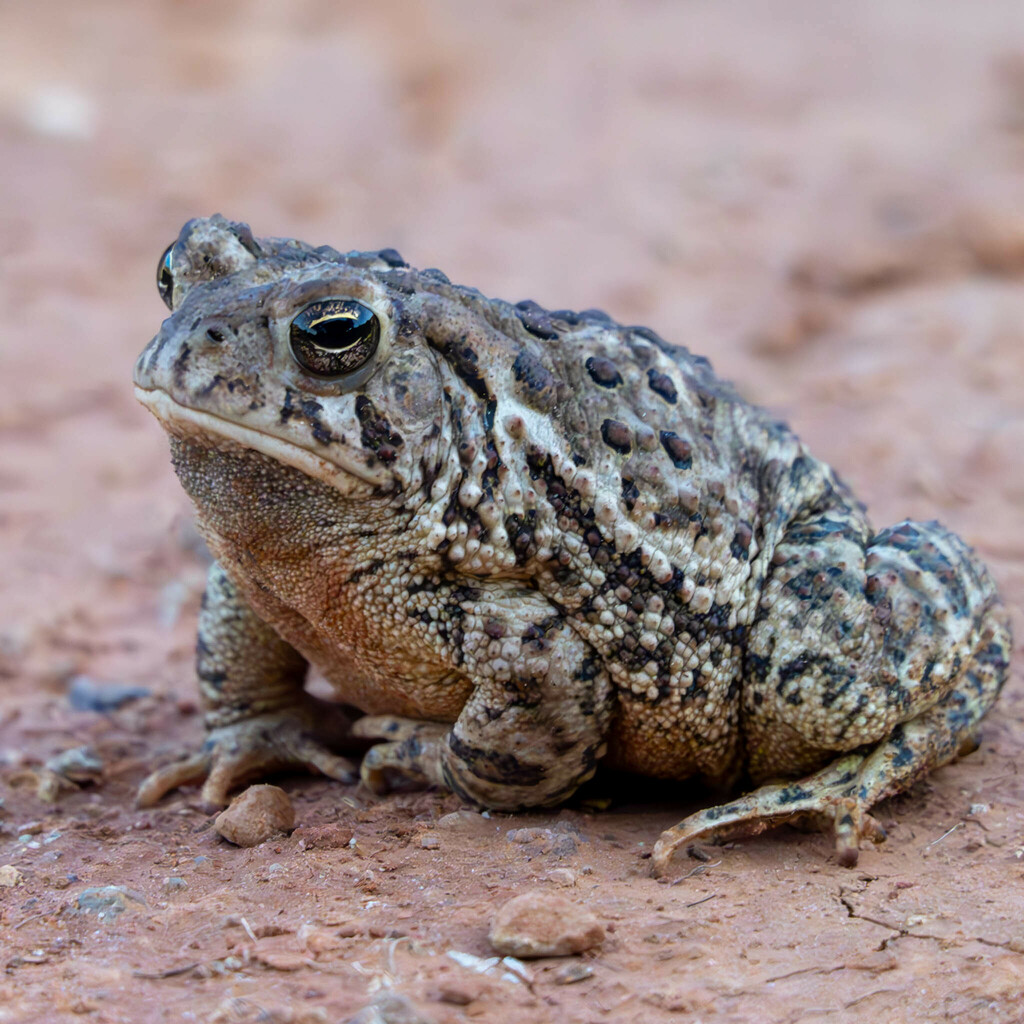
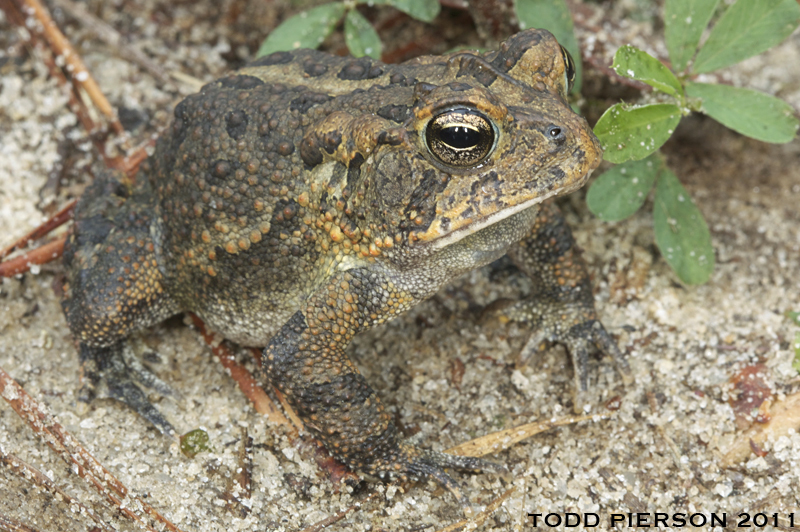
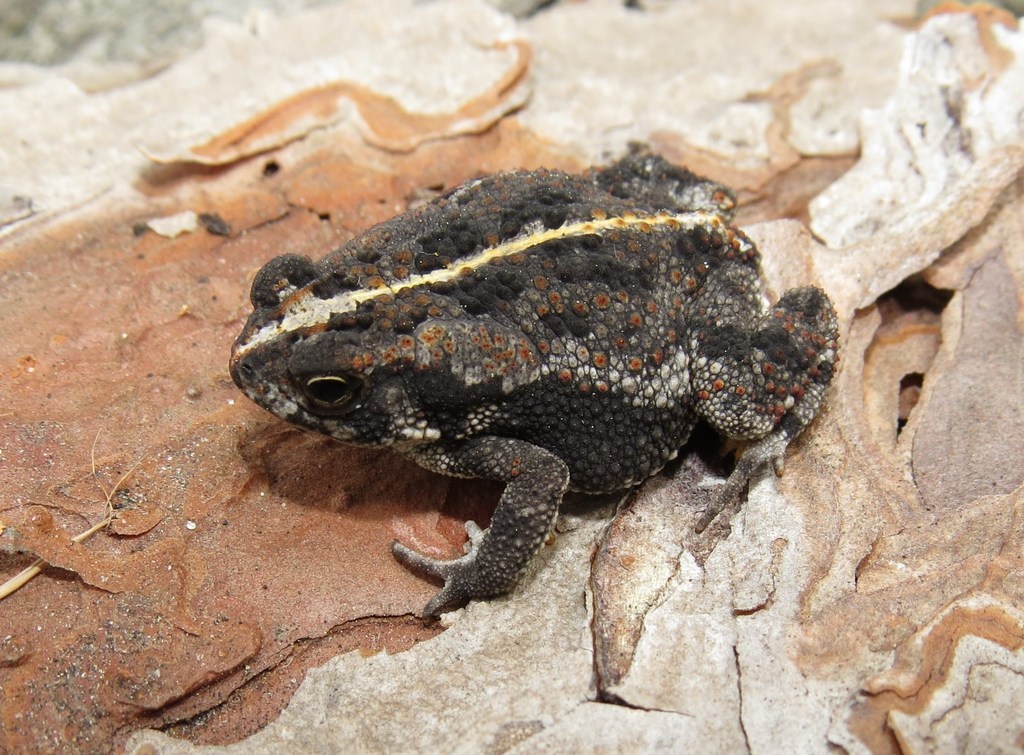
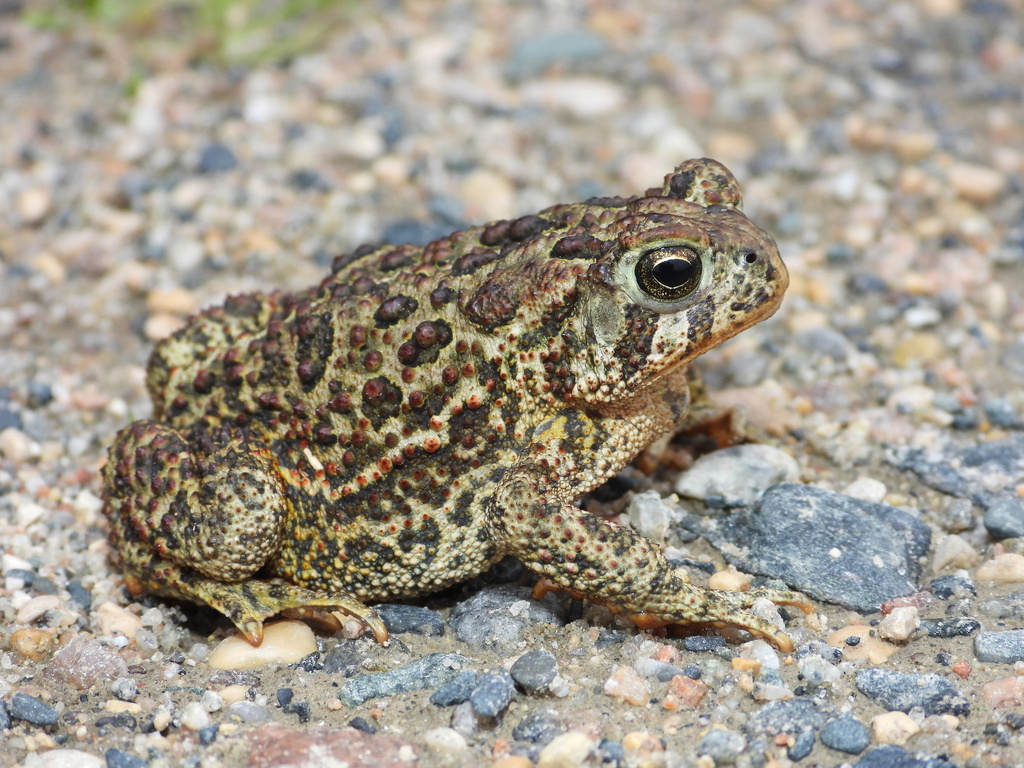
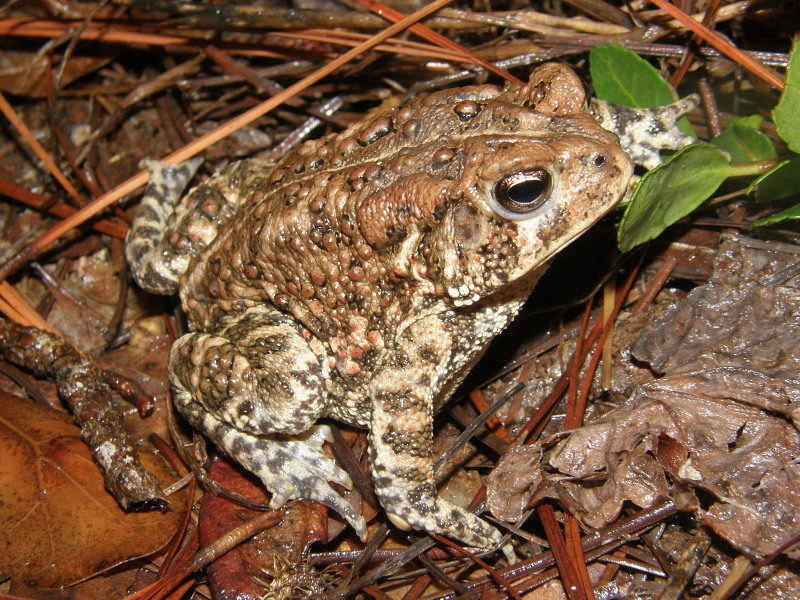
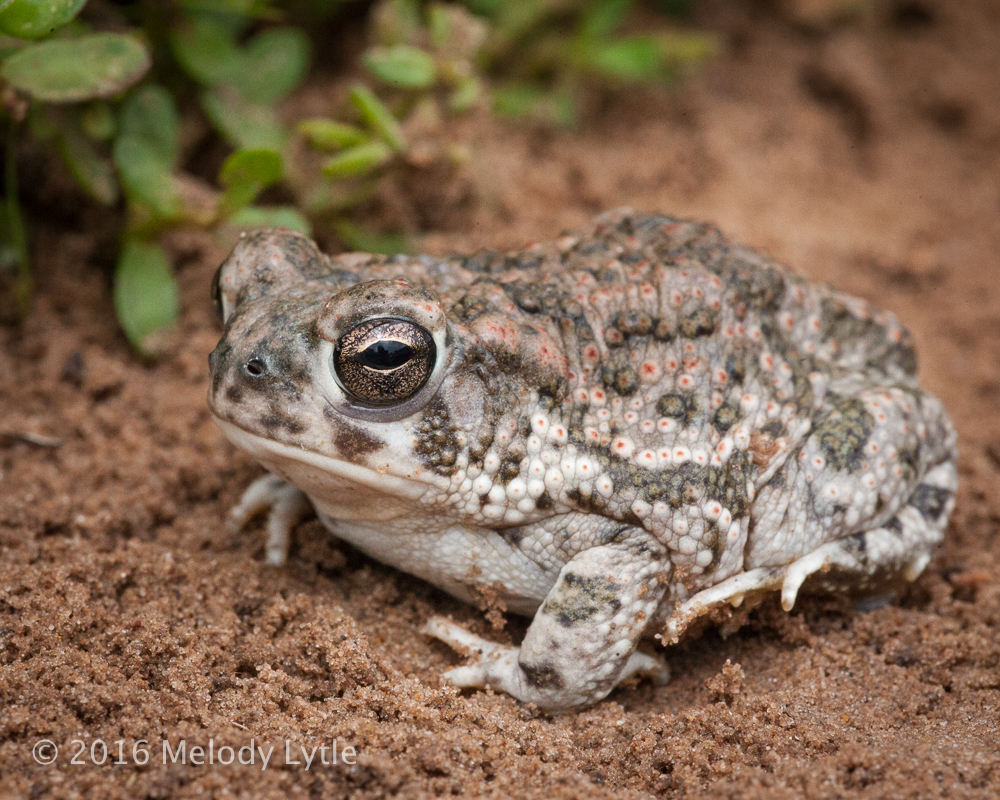
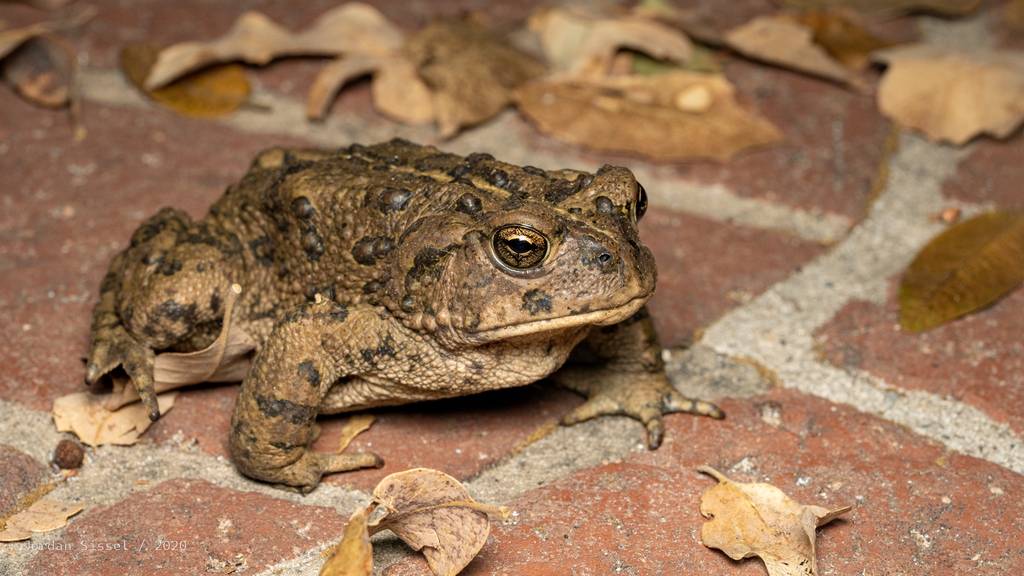
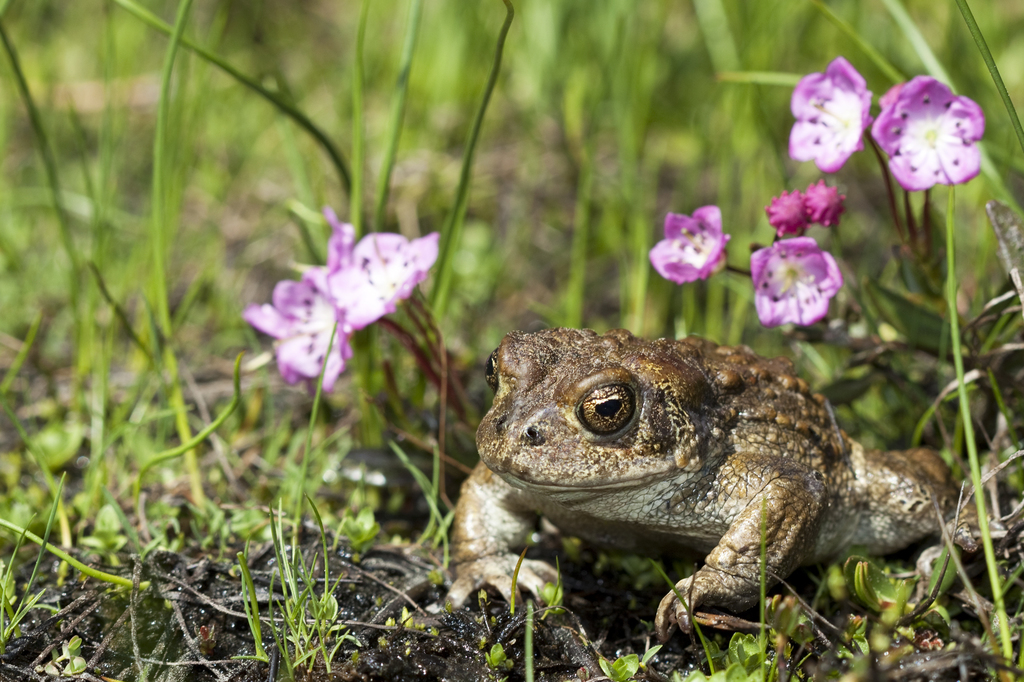
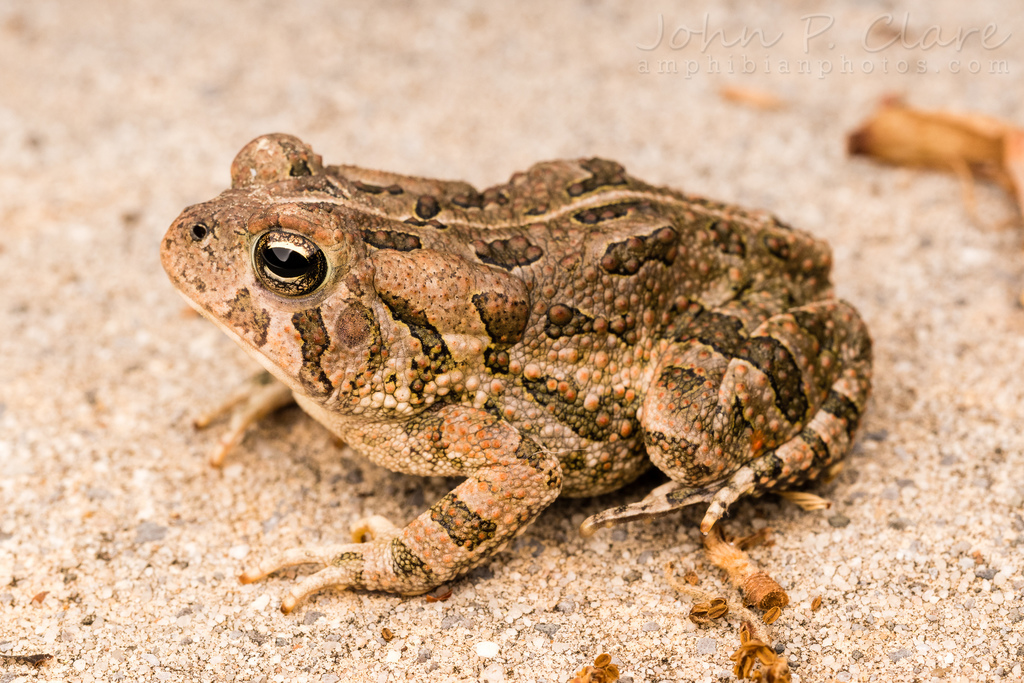
A medium-sized bufonid toad typically measuring 2–3.5 inches (5–9 cm) in length, occasionally reaching slightly larger sizes. Body is stout with a broad head and short limbs. Dorsal coloration ranges from gray, brown, or reddish to olive, often with darker blotches. Each dorsal blotch typically contains three or more small warts, a key diagnostic feature. Skin is dry and heavily warty. Prominent parotoid glands are present behind the eyes and are usually in direct contact with the cranial crests. Cranial crests are well-developed but lack pronounced knobs. Ventral surface is white or cream and typically lacks heavy spotting, though a single dark patch may be present on the chest. Eyes have horizontal pupils and a coppery or golden iris. Commonly inhabits sandy or loose-soil environments including floodplains, riverbanks, coastal plains, open woodlands, and suburban areas, often near shallow, temporary breeding waters. Primarily nocturnal and frequently encountered during or after rainfall. Diet consists of a wide variety of invertebrates including insects, spiders, and other small arthropods.
Call is a short, nasal, buzzy trill lasting approximately 1–4 seconds, lower in pitch than that of closely related species and often described as a brief, raspy bleat. Calls are repeated frequently in rapid succession during breeding choruses in late spring through summer.
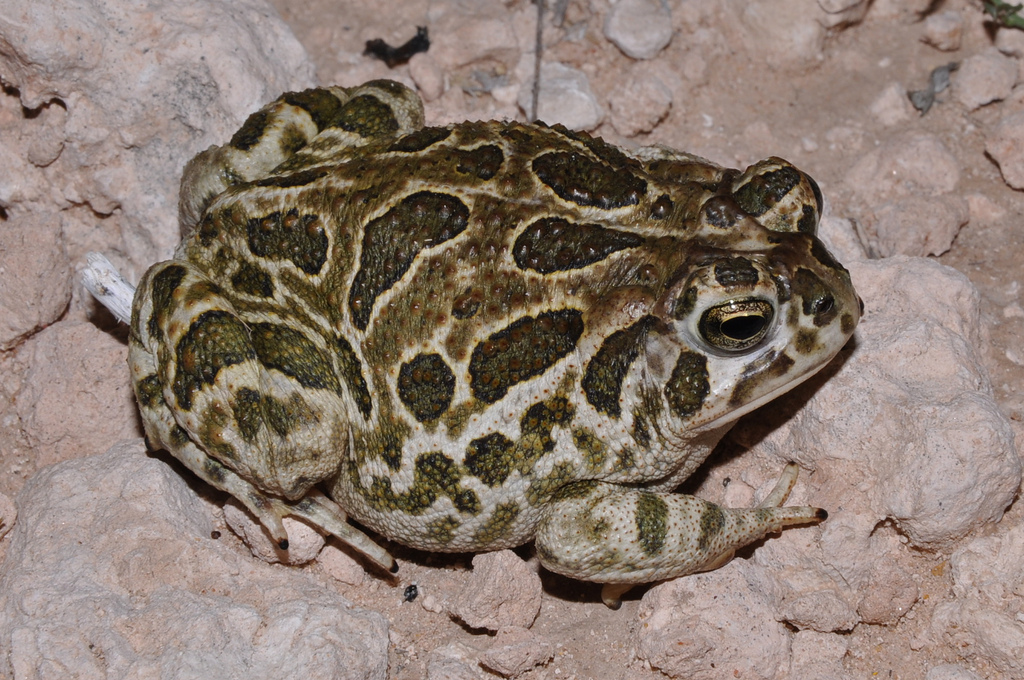
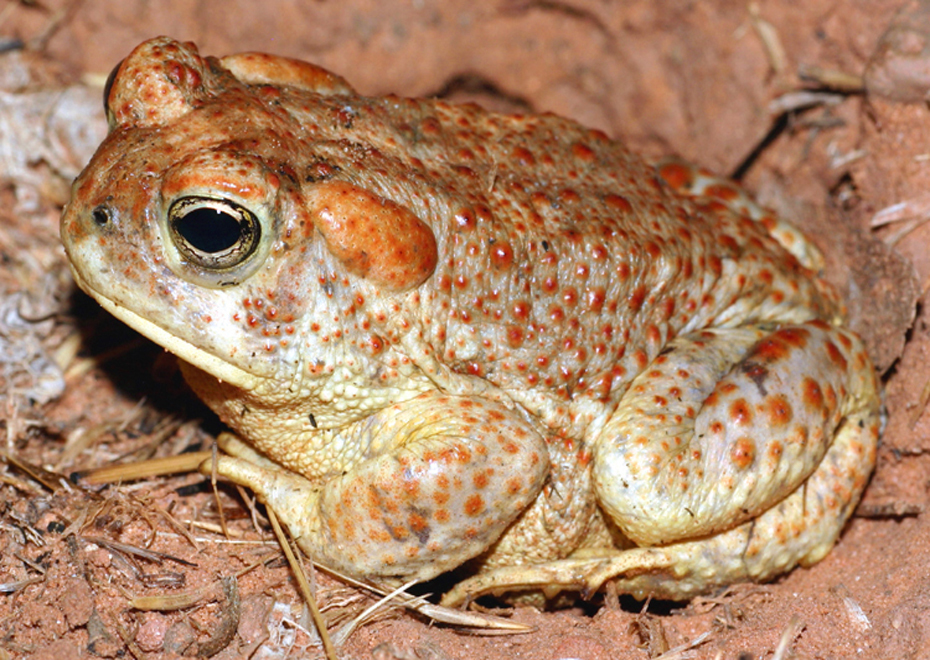
Similar species: American Toad (Anaxyrus americanus) typically has one or two large warts per dorsal blotch, a longer musical trill lasting up to 30 seconds, and parotoid glands usually separated from the cranial crests; Southern Toad (Anaxyrus terrestris) has prominent cranial knobs and typically lacks a clean, unspotted belly; Great Plains Toad (Anaxyrus cognatus) has large, symmetrical dark blotches containing numerous small warts and a distinct pale dorsal stripe.
Call
Photos
Click any photo to expand · Photos via iNaturalist
Seasonal Activity
Individuals recorded by month
Range
Range data © iNaturalist contributors (CC BY 4.0)
Often Confused With
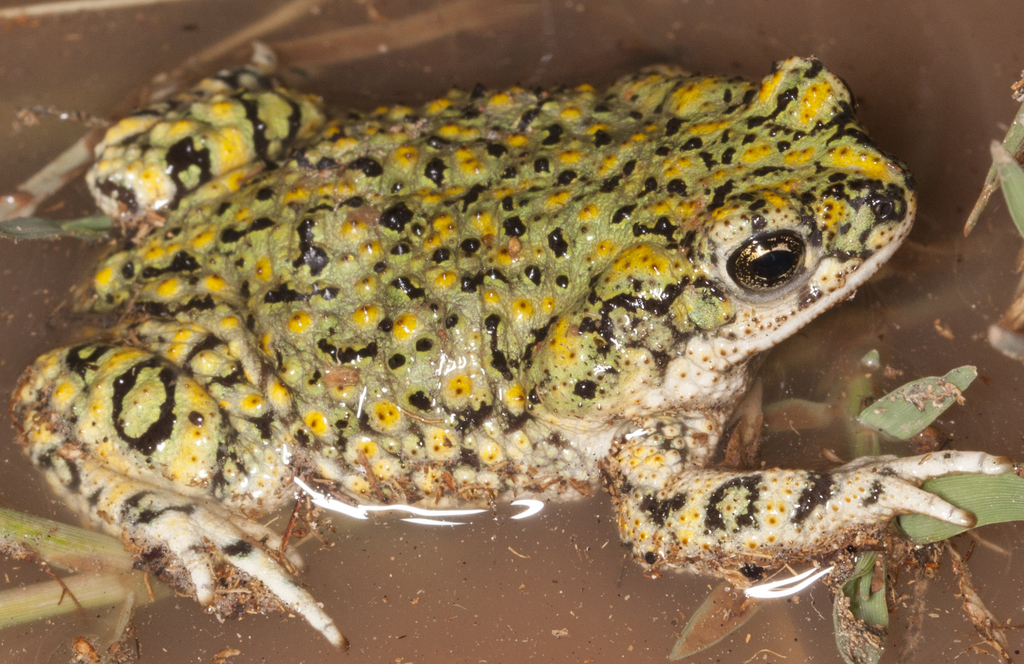
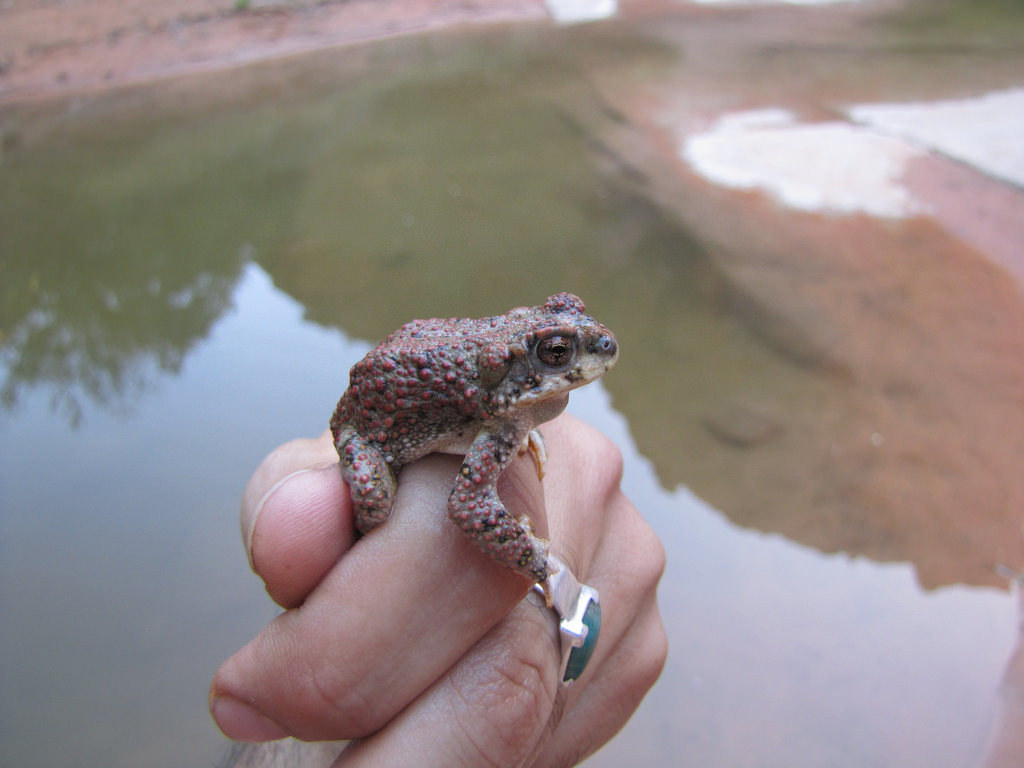
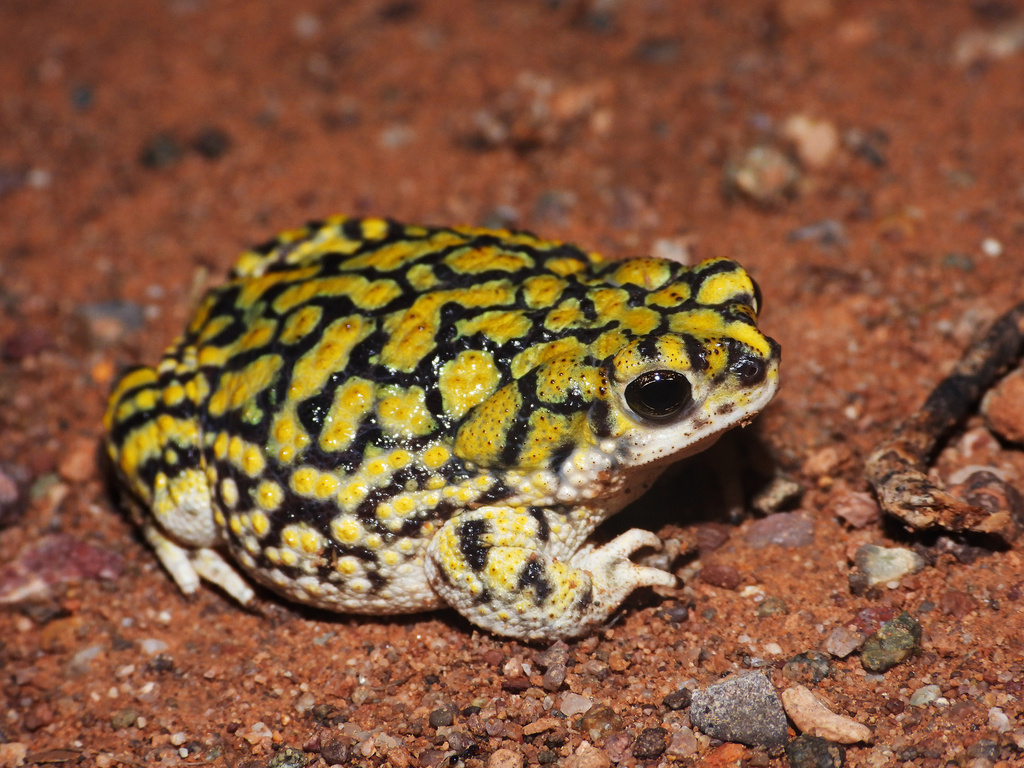
For eastern species, the parotoid-to-crest relationship is the fastest field mark. American Toad: parotoid gland separate from postorbital crest (or linked by a thin spur); 1–2 warts per dorsal spot. Fowler's Toad: parotoid contacts crest directly; 3+ warts per spot. Woodhouse's Toad: similar to Fowler's but larger and burlier with elongated parotoids; central US. Southern Toad: tall, knobbed cranial crests — the most distinctive of any eastern toad. Oak Toad is tiny (under 1.3") with a white dorsal stripe; SE only. Canadian Toad has a distinctive boss (hump) between the eyes; northern plains. For western and central species: Great Plains Toad has a large V-shaped cranial boss and strongly patterned back. Red-spotted Toad is small with round parotoids and reddish wart tips; desert SW. Western Toad lacks cranial crests entirely and has a white dorsal stripe; widespread in the West. Arizona Toad resembles Western but has a pinkish wash; desert rivers of AZ/NM/UT. Green Toad and Sonoran Green Toad are small with distinctive bright green and black reticulated patterns. Texas Toad and Houston Toad (endangered) are best told by range in TX.