Plain-bellied Watersnake
Nerodia erythrogaster
 SnakeColubridaemediumCommon
Quick ID
Field Notes
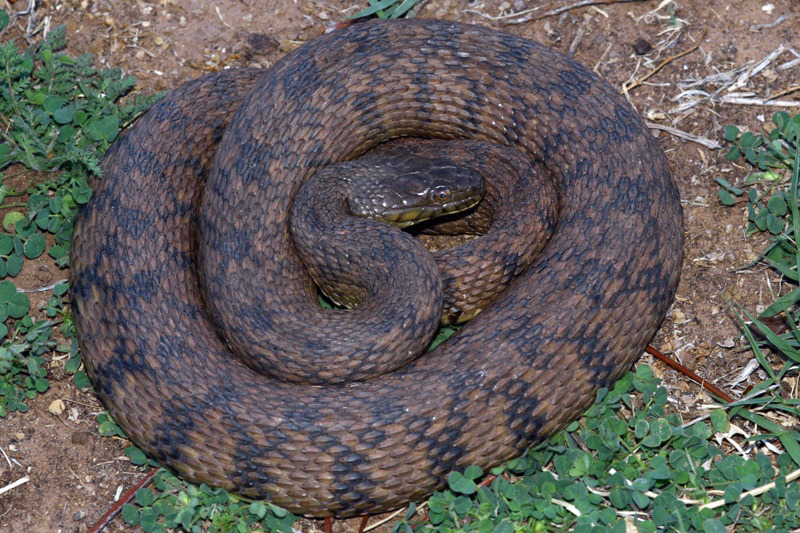
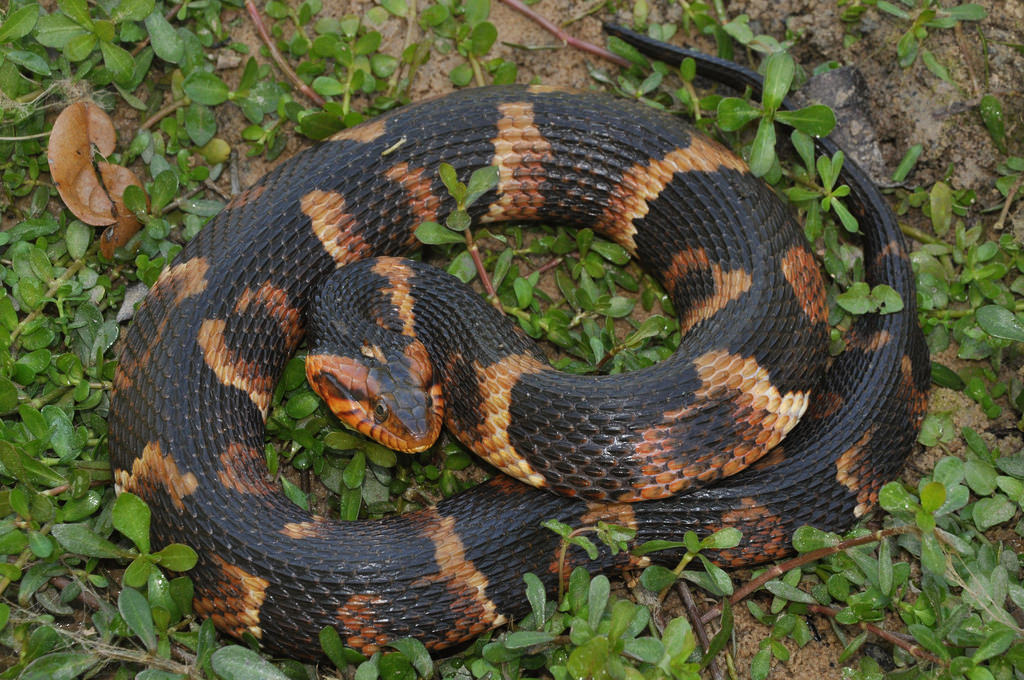
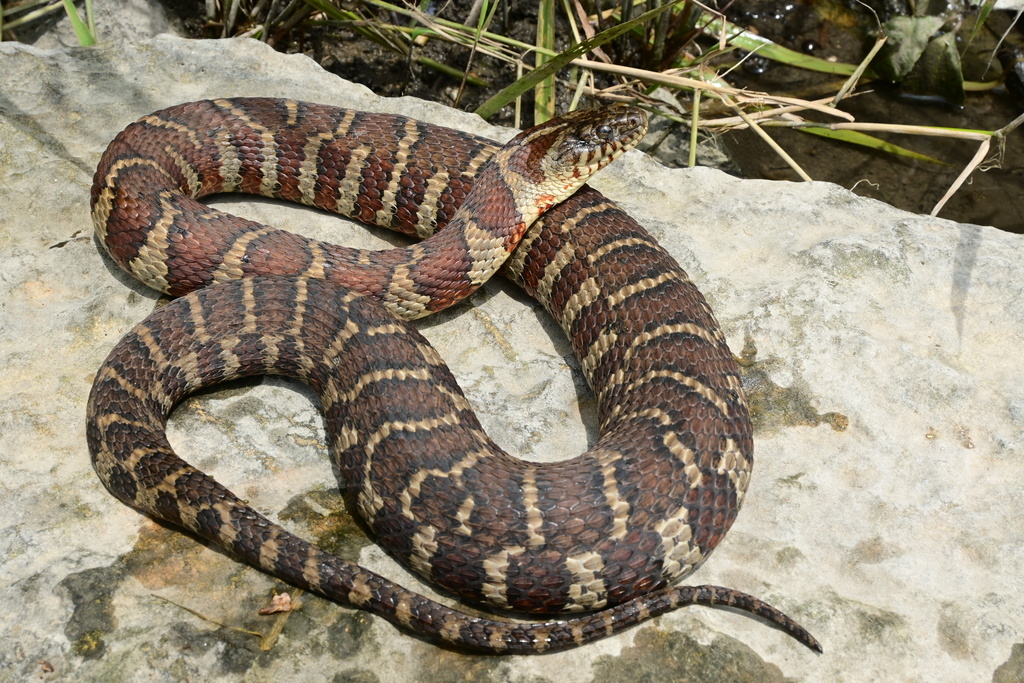
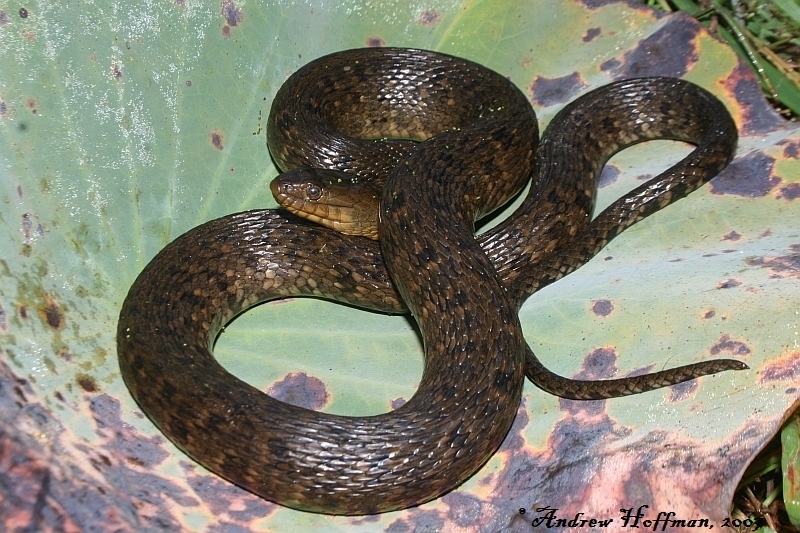
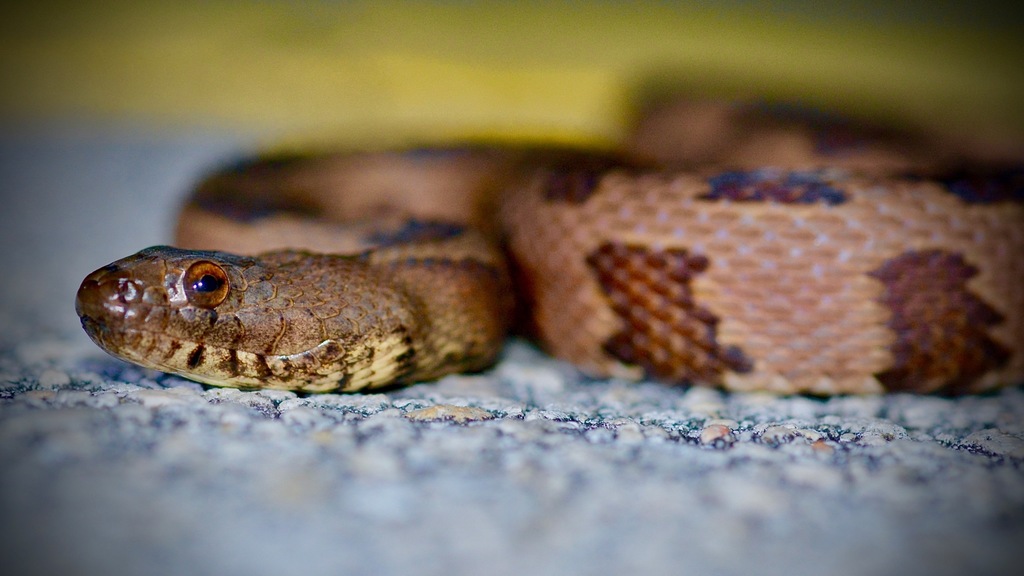
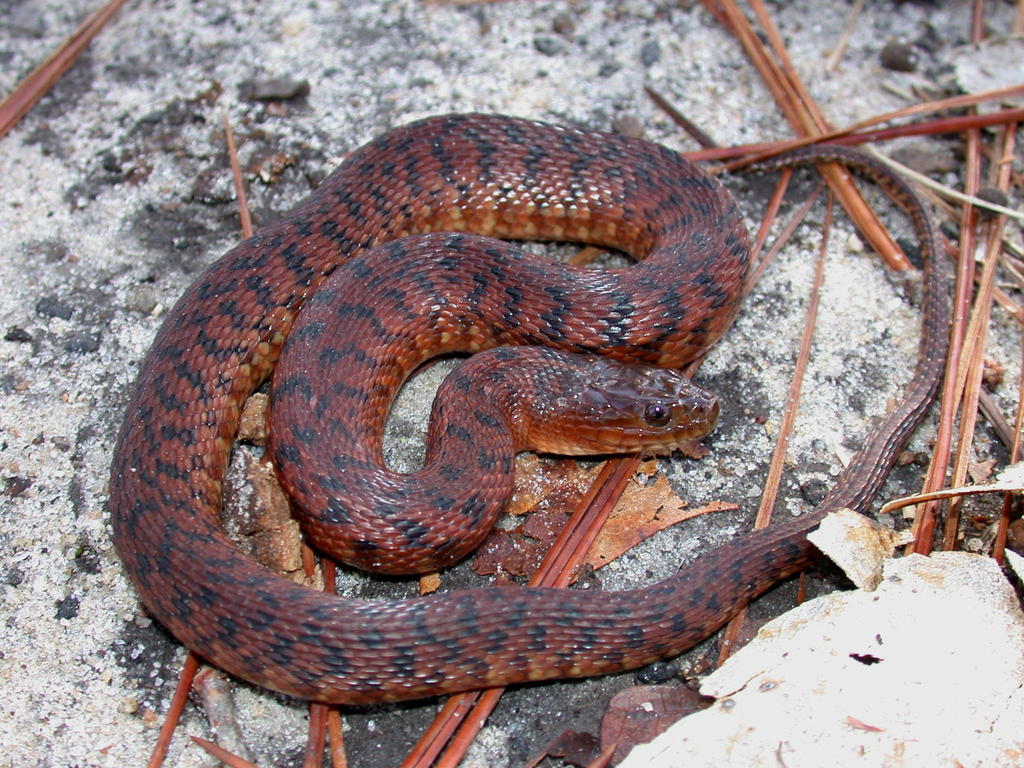
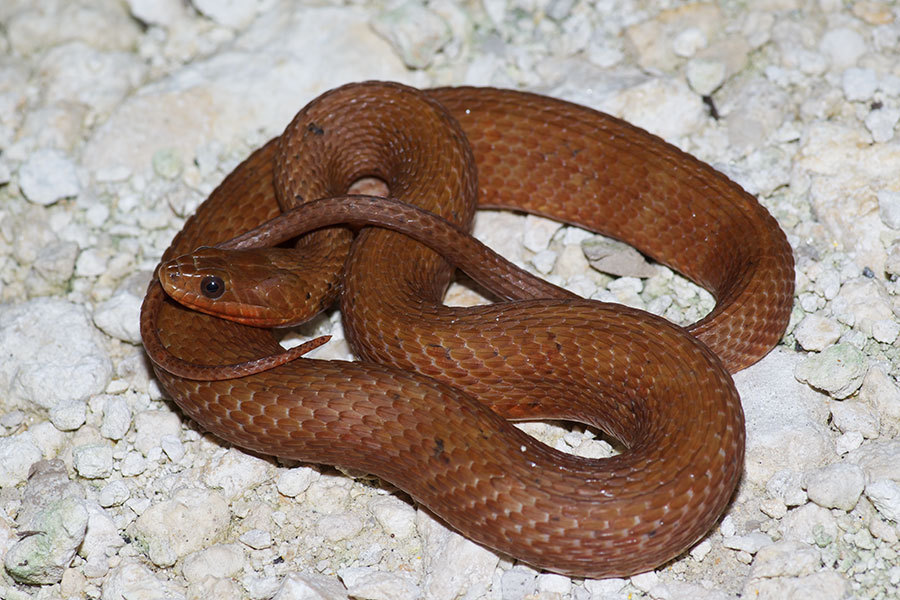
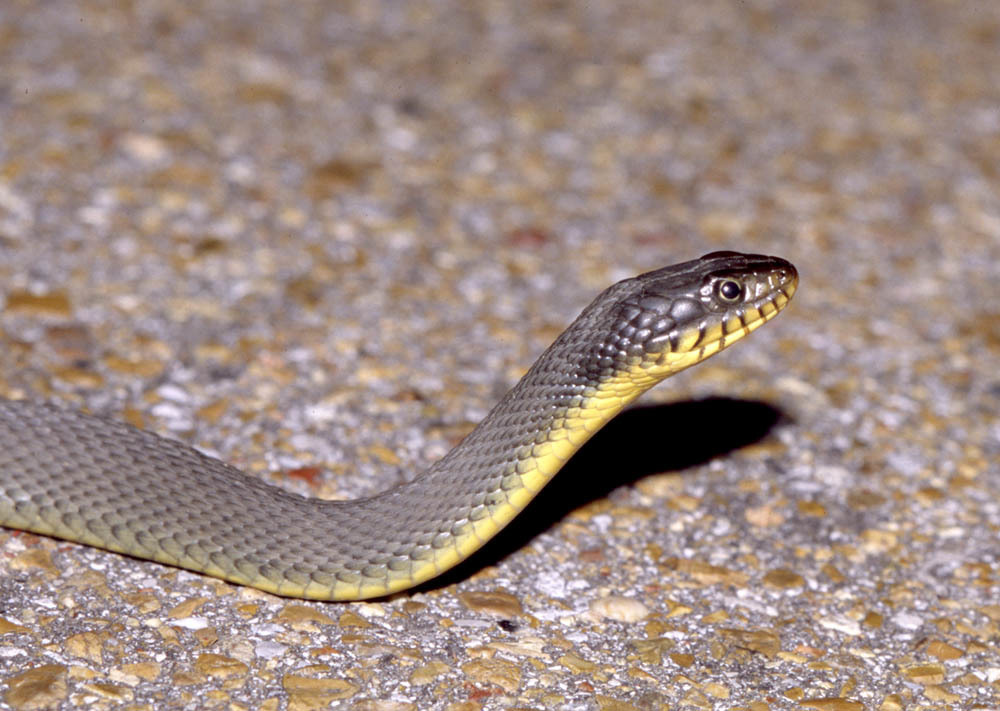
A medium-sized, stout-bodied colubrid typically measuring 24–48 inches (61–122 cm) in total length. Body is robust and somewhat compressed laterally, with a moderately large head distinct from neck. Dorsal coloration is highly variable, ranging from solid dark brown, olive-brown, or gray to individuals with faint crossbands or blotches; the dorsal pattern is often obscured or entirely absent in older individuals. Head is darker than body, with a pale postocular stripe extending backward. Most diagnostic feature is the bright red, orange, or yellow ventral coloration, which contrasts sharply with the dark dorsum and extends partially onto the lateral rows of scales; this plain, unpatterned belly readily distinguishes the species from most other watersnakes. Scales are keeled, with 23–25 rows at midbody. Anal plate is divided. Eyes are positioned laterally, typical of aquatic snakes. Inhabits freshwater wetlands including swamps, marshes, drainage ditches, lakes, rivers, and ponds throughout the southeastern United States. Highly aquatic and nocturnal, feeding almost exclusively on fish and small aquatic vertebrates captured by ambush or active foraging in shallow water; readily escapes to water when threatened.
Photos
Click any photo to expand · Photos via iNaturalist
Seasonal Activity
Individuals recorded by month
Range
Range data © iNaturalist contributors (CC BY 4.0)
Recorded At
Often Confused With
Flip it over — belly pattern is the fastest field mark for Nerodia. Plain-bellied: solid orange, red, or yellow, no markings. Diamondback: chain-link or half-moon dark marks on cream. Banded: dark crossbands that wrap strongly onto the belly, matching the dorsal pattern. Northern/Midland: dark squares or blotches on a lighter ground. Mississippi Green: row of dark half-moon spots along the belly margins. Florida Green: belly pale to white with minimal markings — even plainer than Plain-bellied. Brown Watersnake: bold alternating rectangular blotches on both sides of the belly. Salt Marsh: highly variable — plain, spotted, or striped by subspecies and location.