One-toed Amphiuma
Amphiuma pholeter
 SalamanderAmphiumidaelargeRare
Quick ID
Field Notes
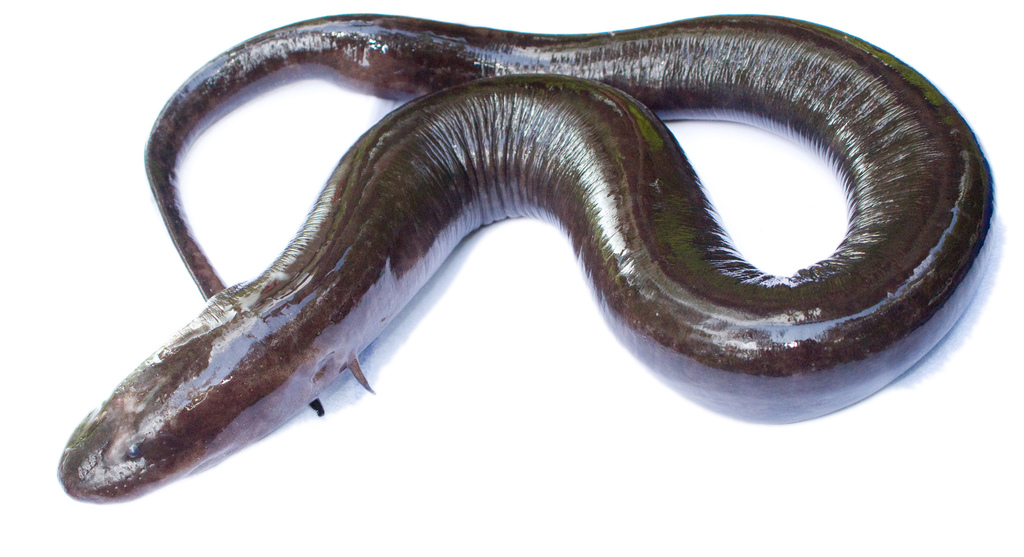
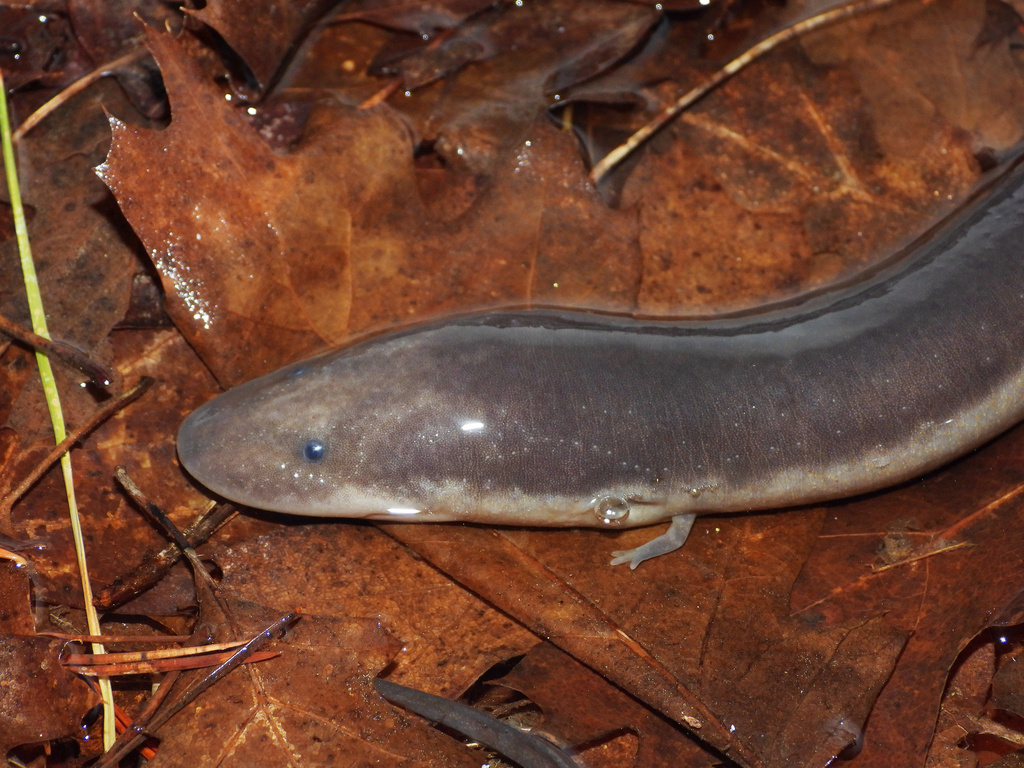
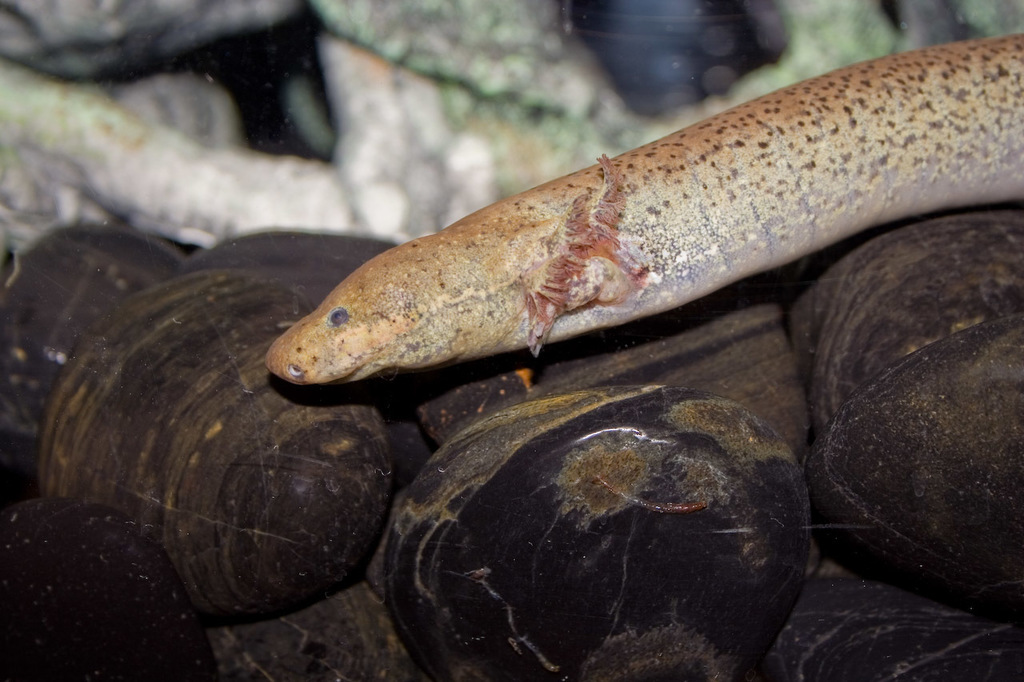
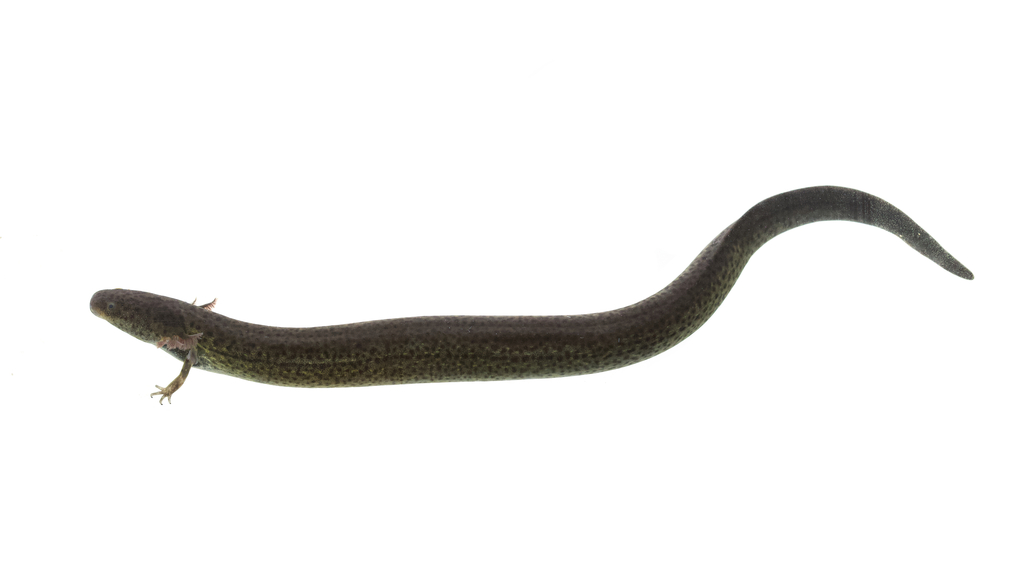
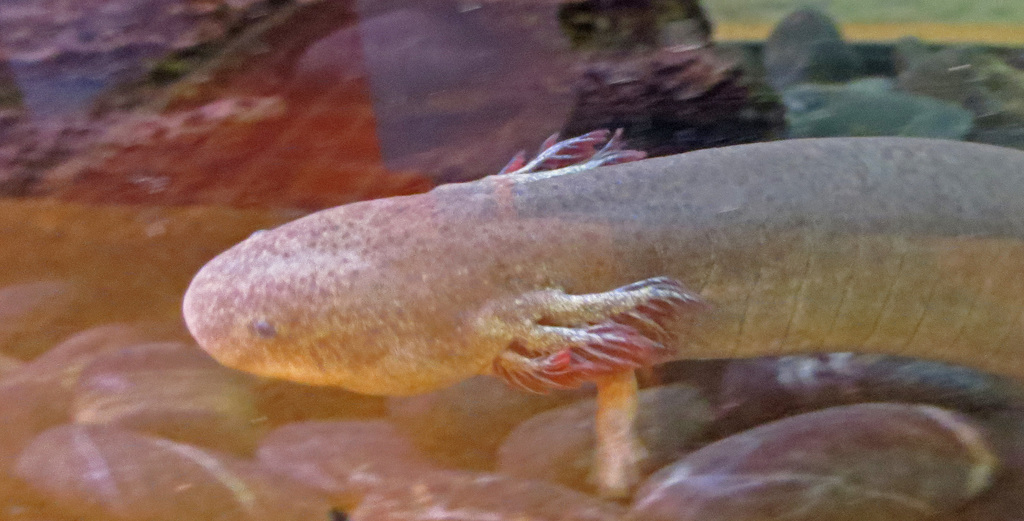
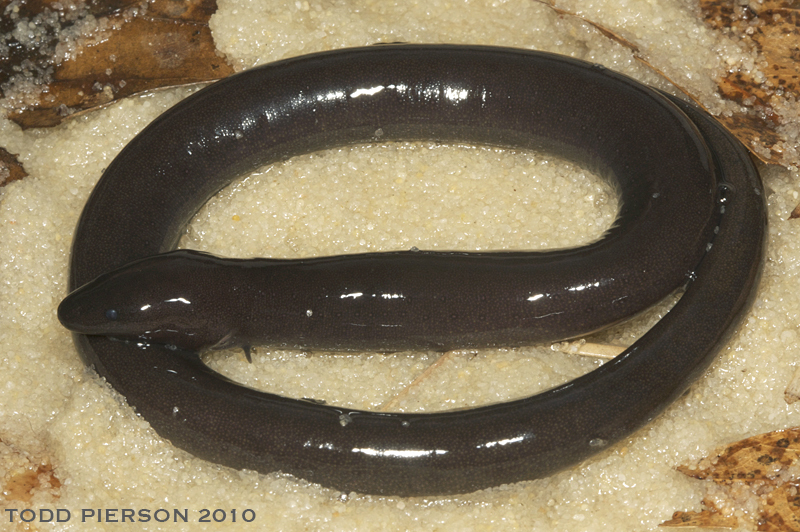
A large, eel-like salamander typically measuring 24–32 inches (61–81 cm) in total length. Body is extremely elongate and serpentine with minimal limb development; the defining characteristic is the presence of a single, tiny toe on each limb (occasionally two toes on hind limbs), making it the most reduced-limbed amphiuma species. Head is small and somewhat flattened, with a terminal mouth and small eyes. Dorsal coloration is uniform dark brown to blackish-brown. Ventral surface is slightly lighter, often gray-brown to tan. The skin is smooth and slimy, lacking prominent grooves along the body. The tail is compressed laterally and comprises roughly one-third of total length, functioning as a swimming rudder. Gill slits are absent in adults, as respiration occurs through lungs and skin. Primarily inhabits swamps, pocosins, and blackwater wetlands with dense vegetation, leaf litter, and soft organic substrates in the southeastern coastal plain. Burrows in mud and debris, often found beneath logs, cypress knees, and dense aquatic vegetation. Diet consists of small fish, aquatic invertebrates, and occasionally small frogs and other salamanders, captured via a quick strike.
Similar species: Two-toed Amphiuma (Amphiuma means) has two well-developed toes on each limb and reaches larger sizes up to 46 inches (117 cm); Three-toed Amphiuma (Amphiuma tridactylum) has three distinct toes on each limb and typically inhabits more permanent, open water habitats rather than swampy vegetation.
Photos
Click any photo to expand · Photos via iNaturalist
Range
Range data © iNaturalist contributors (CC BY 4.0)
Often Confused With
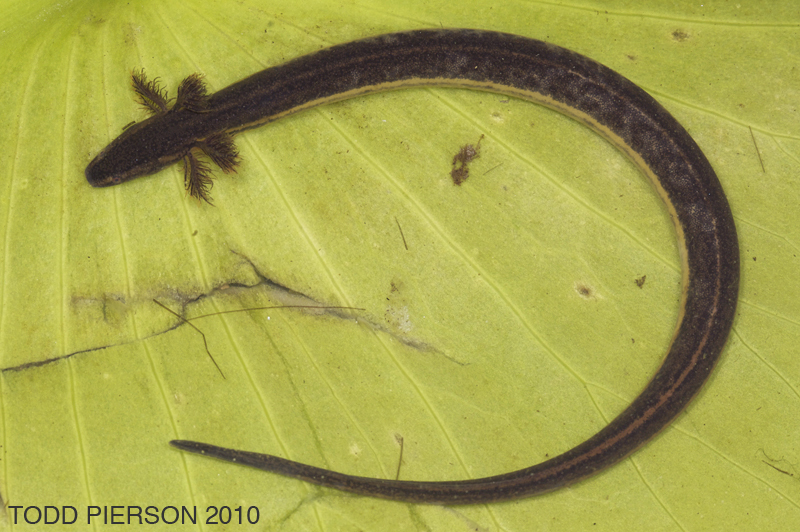
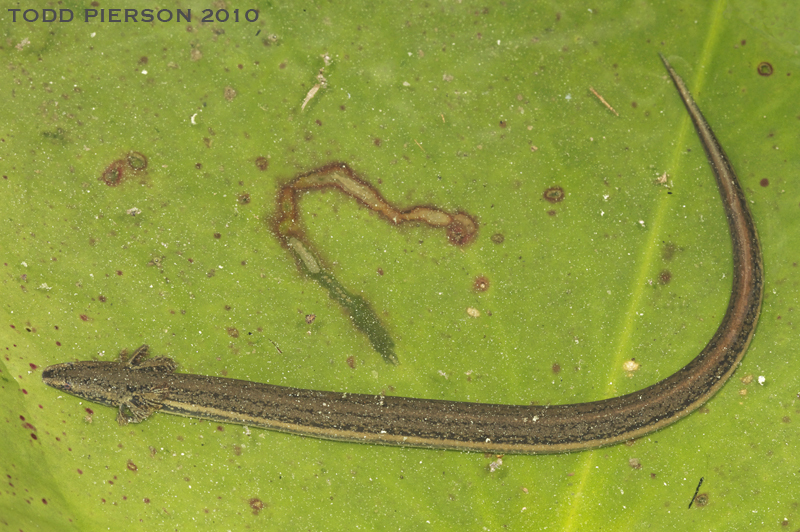
All are large, eel-like aquatic salamanders — but they belong to two very different families. Amphiumas (Amphiuma) have four tiny, nearly useless legs and NO external gills; they look like a thick, dark eel and can deliver a painful bite. Tell the three species apart by counting toes: one, two, or three. Sirens (Siren, Pseudobranchus) have only two small front legs and NO hind legs at all, plus bushy external gills that stay visible throughout life. Greater Siren is huge (up to 38") and dark; Lesser Siren is smaller (up to 20"); Dwarf Sirens are tiny (under 8") and often striped.